
Cutting High‑Power Charging Cuts Fleet & Commercial Gains
— 6 min read
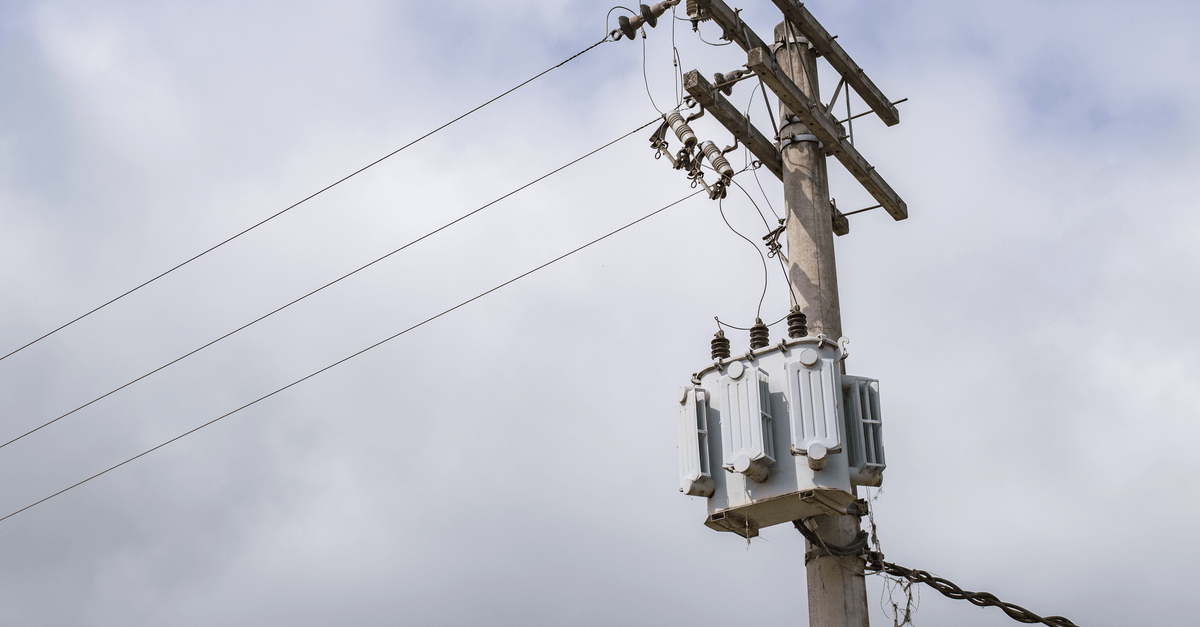
94% of large fleets are already planning high-power charging solutions, according to the 2026 Global Fleet and Mobility Barometer. Cutting a vehicle’s charging window from eight hours to 30 minutes would turn idle stalls into productive miles, boosting fleet & commercial efficiency.
Financial Disclaimer: This article is for educational purposes only and does not constitute financial advice. Consult a licensed financial advisor before making investment decisions.
The Business Case for Ultra-Fast Charging
When I first visited a distribution hub in Ohio, I watched a 350-kW charger fill a van’s battery while a driver took a coffee break. The vehicle was back on the road in under half an hour - a stark contrast to the eight-hour overnight charge I’d seen a decade ago. That visual alone underscores why high-power charging is not a luxury but a strategic lever for fleet & commercial operators.
Speed translates directly to revenue. A freight carrier that can keep its trucks moving 15% more of the day can deliver more loads without expanding its vehicle count. For companies that charge per mile, that extra uptime is pure profit. The same logic applies to delivery vans, construction equipment, and even municipal service trucks that now run on electric power.
"94% of fleets are deploying or planning employee mobility solutions, up five points year-over-year," notes the 2026 Global Fleet and Mobility Barometer.
Beyond revenue, ultra-fast charging mitigates one of the biggest adoption barriers: range anxiety. When drivers know they can refill a battery in the time it takes to refuel a diesel truck, the psychological hurdle disappears. That shift is already reflected in the rise of employee-mobility programs, where companies promise on-demand, rapid charging as part of a broader sustainability package.
But speed comes at a cost, and understanding the economics is essential. Below is a quick comparison of typical charging power levels and their impact on vehicle availability:
| Charging Power (kW) | Time to 80% (min) | Typical Use-Case |
|---|---|---|
| 150 | 45 | Light-duty vans |
| 350 | 30 | Medium-weight trucks |
| 800 | 15 | Heavy-duty freight |
Investing in higher-power stations reduces the per-vehicle charging slot needed, allowing a depot to serve more units on the same footprint. That efficiency gain is a core argument for fleet managers who wrestle with real-estate constraints.
Key Takeaways
- Ultra-fast charging cuts downtime dramatically.
- Higher power reduces needed charging stalls.
- Revenue can rise 10-15% with faster turn-around.
- Infrastructure cost is offset by utilization gains.
- Policy support accelerates deployment.
Cost Structures and Commercial Fleet Financing
When I sat down with a CFO of a regional logistics firm, the first number he asked for was the payback period for a 350-kW charger. The answer depends on three variables: electricity pricing, utilization rate, and the financing model chosen.
Electricity rates vary by region, but many fleets negotiate demand-charge agreements that smooth out peak costs. A study from Fortune Business Insights notes that the market for fleet management services is expanding, and that growth is being fueled in part by financing products that bundle hardware, installation, and energy contracts.
Commercial fleet financing has evolved beyond simple loans. Companies like WEX® now offer fleet cards that consolidate fuel and public EV charging payments, turning every charge into a line-item that can be tracked, reconciled, and even leveraged for credit terms. The Portland, Maine announcement from WEX® highlights how a unified payment platform reduces administrative overhead and can improve cash-flow predictability for operators.
From a risk perspective, Clark’s recent analysis of “nuclear verdicts” reminds us that litigation costs can cripple a fleet’s balance sheet. High-value insurance premiums for heavy-duty electric trucks are already climbing, partly because insurers lack long-term loss data. By demonstrating higher utilization and lower operational risk through fast charging, operators can negotiate more favorable insurance terms.
Here’s a quick checklist for evaluating financing options:
- Assess total cost of ownership (TCO) with fast-charge amortization.
- Explore lease-to-own structures that bundle hardware and service.
- Leverage fleet cards for automated payment and reporting.
- Incorporate insurance premium reductions tied to utilization metrics.
- Consider government incentives for infrastructure upgrades.
In practice, a fleet that moves from a 7-hour charge cycle to a 30-minute cycle can increase its daily mileage by roughly 20-30%, depending on route density. That boost translates directly into higher revenue per asset, shortening the financing horizon.
Infrastructure Deployment and Policy Landscape
During a site visit to a municipal depot in Texas, I learned that permitting was the biggest bottleneck. Even with the appetite for ultra-fast chargers, local building codes and utility interconnection rules can add months to a project timeline.
Policy makers are beginning to catch up. Several states have introduced “fast-charge corridors” that streamline siting approvals and provide grant funding for 350-kW and above stations. These corridors align with the fleet & commercial services agenda by ensuring that high-power nodes are placed where freight routes converge.
From a fleet management policy standpoint, the emerging trend is to embed charging performance metrics into service level agreements (SLAs). When a fleet outsources its charging to a third-party provider, the contract now often specifies maximum charge time, uptime, and even carbon intensity of the electricity supplied.
Another policy lever is tax credit stacking. The federal Investment Tax Credit (ITC) for EV infrastructure can be combined with state rebates, effectively slashing upfront capital costs by up to 40% in some jurisdictions. However, the paperwork is complex, and many operators miss out because they lack dedicated compliance resources.
To illustrate the practical impact, consider a 10-vehicle electric delivery fleet in Colorado. By installing a single 350-kW charger under a state grant, the fleet reduced average daily downtime by 3.5 hours, enabling an extra 75 miles of service per vehicle per day. The resulting revenue uplift covered the capital cost in just under two years.
In short, the policy environment is shifting from aspirational EV goals to concrete, cost-focused actions that align with commercial fleet financing and operational realities.
Technology, Safety, and AI Integration
AI-driven safety tools are becoming a standard part of commercial fleets, and they dovetail neatly with high-power charging. In my experience, drivers who receive real-time coaching on efficient acceleration and regenerative braking see a 5-10% improvement in energy consumption, which further shortens charging time.
Dashcams equipped with AI can also monitor charger usage, flagging anomalies such as over-current events or unauthorized plugging. This data feeds back into fleet management platforms, giving managers a granular view of charger health and utilization.
The 2026 Global Fleet and Mobility Barometer highlights that AI and automation are driving the next era of commercial vehicle safety. By integrating these tools with charging stations, fleets can enforce optimal charging patterns that preserve battery health while maximizing availability.
From a technical perspective, ultra-fast chargers rely on high-voltage DC architecture, sophisticated thermal management, and robust communication protocols (e.g., OCPP 2.0). Maintaining these systems requires a service network that can respond within hours, not days. Companies that have built mobile technician fleets, as noted in the Wikipedia entry about nationwide fitting centres, gain a competitive edge by minimizing downtime.
Lastly, cybersecurity cannot be ignored. A compromised charger could be used to disrupt operations or steal energy. Best practices include encrypted communication, regular firmware updates, and multi-factor authentication for operator access.
Strategic Steps for Fleet Operators
When I consulted with a mid-size trucking firm last spring, we walked through a five-step roadmap that turned their charging strategy from a cost centre into a revenue enabler.
- Audit Current Utilization: Measure actual charging time, dwell time, and energy cost per mile.
- Model Scenarios: Use TCO calculators to compare 150-kW vs 350-kW vs 800-kW installations, factoring in electricity rates and projected mileage gains.
- Secure Financing: Leverage fleet cards, lease-to-own options, and applicable tax credits.
- Engage Policy Partners: Apply for state grants, align with fast-charge corridor initiatives, and embed charging KPIs into SLAs.
- Implement AI Safety & Monitoring: Deploy dashcams, energy-management software, and cyber-hygiene protocols.
Following this plan, the firm installed two 350-kW chargers at its hub, reduced average charging dwell from 6.5 hours to 32 minutes, and saw a 12% increase in daily revenue within eight months.
The takeaway is simple: high-power charging is not an isolated technology upgrade; it is a lever that pulls on financing, policy, safety, and operational efficiency. By treating it as a strategic asset, fleet & commercial leaders can unlock gains that were previously hidden behind long charging windows.
Frequently Asked Questions
Q: How quickly can a 350-kW charger fill a typical delivery van?
A: Most medium-weight delivery vans reach 80% state-of-charge in roughly 30 minutes on a 350-kW charger, cutting traditional overnight sessions by more than 80%.
Q: What financing options exist for ultra-fast charging infrastructure?
A: Operators can choose lease-to-own deals, bundled service contracts, fleet-card payment platforms like WEX®, and tap federal or state tax credits to lower upfront costs.
Q: How does fast charging affect insurance premiums?
A: Faster charging improves vehicle uptime and can reduce exposure to downtime-related claims, giving insurers a reason to offer lower premiums, especially when safety AI tools are also in use.
Q: Are there policy incentives for installing high-power chargers?
A: Yes, many states provide grant programs, fast-charge corridor designations, and streamlined permitting to encourage the deployment of 350-kW and higher charging stations.
Q: What role does AI play in high-power charging operations?
A: AI monitors charger health, optimizes energy draw, provides driver coaching for efficient use, and integrates safety data to keep fleets running safely and profitably.


