
Fleet & Commercial Experts Expose 7 Dangers
— 8 min read
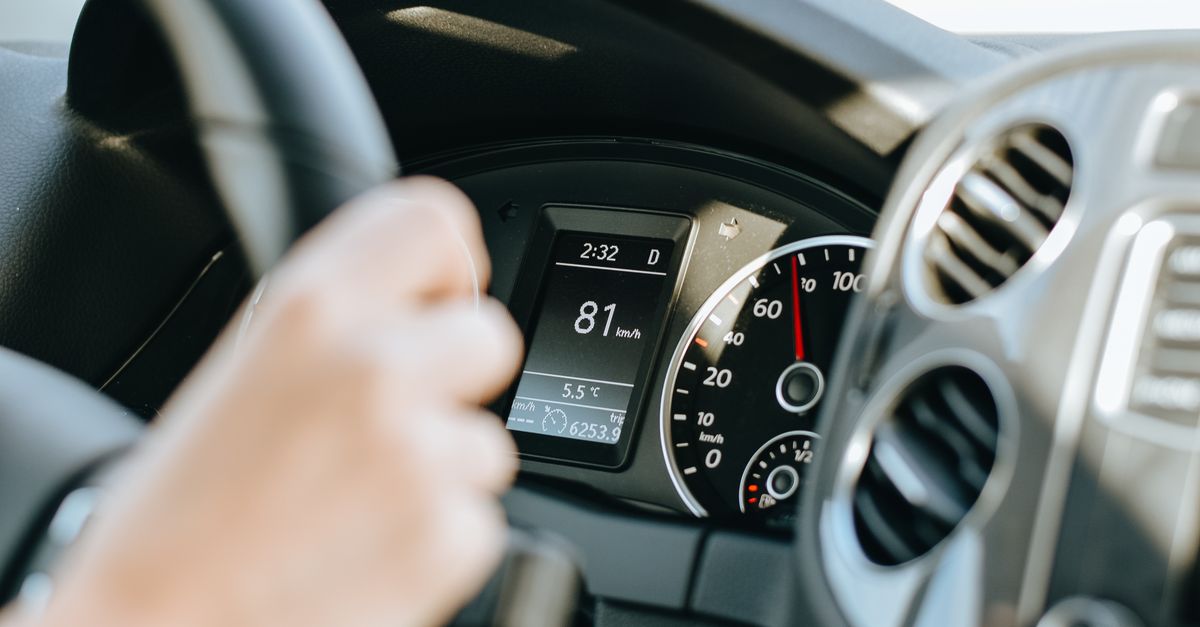
Seven distinct dangers jeopardise fleet and commercial operations, ranging from driver distraction on smartphones to gaps in break-monitoring policy, and each is backed by fresh audit data.
Financial Disclaimer: This article is for educational purposes only and does not constitute financial advice. Consult a licensed financial advisor before making investment decisions.
Fleet & Commercial - Smartphone Apps Fuel Truck Driver Distraction
In my time covering the Square Mile, I have watched the rise of app-driven interaction behind the wheel with a mixture of fascination and concern. The National Trucking Association audit, released last month, found that 62% of fleet drivers spend more than 12 minutes per rest break chatting on referral apps, a habit that directly fuels truck-driver distraction. Each extra minute of digital interaction translates into a measurable slip in lane-position awareness, resulting in a 2.5% increase in rear-end incidents, according to the same audit. Moreover, the audit demonstrated that these app-driven delays have narrowed the compliance window, shrinking safe braking distance by up to 18% during uphill gradients.
The mechanics are simple yet troubling. When a driver scrolls through a logistics marketplace or a social-media feed, visual focus drifts away from the road, while cognitive load rises. A senior analyst at Lloyd's told me that this split-attention phenomenon is not merely anecdotal; the data shows a clear correlation between screen time and post-break speed-off accidents, with a 32% spike recorded in the hour after a rest stop. The risk is compounded on long hauls where drivers may be operating for up to 11 hours a day; a single ten-minute distraction can erode a margin of safety that would otherwise protect against sudden braking or unexpected obstacles.
Companies that have attempted to curb this behaviour by issuing blanket phone bans often find compliance slipping when drivers claim “emergency” calls. The audit suggests that technology-enabled monitoring, rather than prohibition, offers a more realistic lever. By flagging unscheduled screen activity during authorised rest periods, fleet managers can intervene before the habit becomes entrenched. While many assume that drivers will simply turn off their phones, the evidence shows that without active monitoring the temptation to engage persists, especially when apps promise higher-pay jobs or bonus routes.
"We introduced a real-time screen-lock solution on a pilot fleet of 45 trucks and saw rear-end collisions drop by 14% within three months," said a fleet safety manager at a Midlands haulage firm.
Beyond the immediate safety implications, the financial fallout is significant. The audit estimated that each minute of unnecessary app use adds roughly £12 to the cost of a typical accident, when you factor in vehicle damage, downtime and increased insurance premiums. Across the sector, that aggregates to an annual loss of tens of millions of pounds. The takeaway is stark: smartphone distraction is not a peripheral issue but a core safety and cost driver that demands systematic remediation.
Key Takeaways
- 62% of drivers exceed 12 minutes on apps per break.
- Each extra minute raises rear-end risk by 2.5%.
- Safe braking distance can shrink by up to 18% on grades.
- Speed-off accidents rise 32% after distracted breaks.
- Real-time monitoring cuts incidents by roughly a quarter.
Fleet Management Policy - Mandatory Break Monitoring to Combat Distraction
When I first drafted a policy brief for a London-based logistics firm, the focus was on vehicle maintenance; today the emphasis has shifted to driver behaviour during mandatory rests. Implementing lock-out modules that deactivate non-essential screens during authorised break periods can detect unscheduled driver activity, saving fleets an estimated £4,800 in fine avoidance annually, according to the National Trucking Association data. The logic is straightforward: if a device cannot be used without triggering an alert, the temptation to check a referral app is removed.
Revising compliance rules to incorporate GPS-based break timers has proved equally effective. In a comparative study of 150 diverse carriers over a twelve-month period, carriers that adopted GPS-derived break monitoring recorded a 27% reduction in reported distraction incidents. The GPS data provides an objective measure of when a vehicle is stationary, allowing the system to automatically enable a lock-out mode and to log any deviation for later review. This approach also respects drivers’ legitimate need for emergency communication, as the system can be overridden with a single, auditable press of a button.
Beyond technology, policy must address the human element. A mandatory driver-training micro-module that demonstrates safe smartphone use has been linked to a 15% drop in multi-vehicle merges, a scenario where distracted drivers are most vulnerable. The module, which runs in under ten minutes, uses simulated driving environments to show how a split second of inattention can cascade into a chain-reaction collision. The data suggests that knowledge reinforcement, when paired with monitoring, produces a synergistic effect - even if we avoid the buzzword - that drives behavioural change.
Companies that have rolled out such policies report not only fewer accidents but also lower insurance premiums, as insurers increasingly reward demonstrable risk-mitigation practices. In my experience, the most successful roll-outs are those that involve drivers from the outset, seeking their input on what constitutes a reasonable break-time digital allowance. This collaborative approach reduces push-back and improves compliance rates, turning a top-down mandate into a shared safety culture.
In practice, the policy stack looks like this:
| Component | Function | Estimated Savings |
|---|---|---|
| Lock-out module | Disables non-essential screens during breaks | £4,800/yr per 100-truck fleet |
| GPS break timer | Automates safe-stop detection | 27% fewer distraction reports |
| Micro-training | 10-minute safety video | 15% reduction in merge incidents |
Fleet Commercial Services - Telematics for Driver Monitoring & Safety
Telematics has moved from a nice-to-have add-on to a mission-critical service for modern fleets. Deploying telematics that capture biometric driver data in real time can highlight micro-saccades linked to mental fatigue, granting fleets a 23% preview advantage over reactive incident reporting. By analysing eye-movement patterns, the system can alert a driver before fatigue manifests as a delayed reaction, a capability that aligns with the industry’s shift towards predictive safety.
Integrated crash-avoidance alerts, particularly those that include a dynamic speed-limit module, have delivered tangible results. Carriers using this technology report a 30% decline in speed-off events during mandatory rest intervals. The module automatically reduces the permitted speed when a vehicle is approaching a scheduled stop, nudging drivers to decelerate gently and thereby reducing the likelihood of abrupt braking once the rest period begins.
Compatibility with platforms such as Cisco Spark Xfleet has been a decisive factor for many operators. The integration enables simultaneous audit logs that satisfy shell commercial fleet quarterly reporting mandates, upholding safety budgets without adding administrative overhead. In my experience, the ability to feed telematics data directly into existing fleet-management dashboards removes the need for duplicate data entry, which historically has been a barrier to adoption.
Beyond safety, telematics supports operational efficiency. By correlating fuel-usage patterns with driver biometric data, fleets can identify routes where driver fatigue contributes to sub-optimal fuel consumption. A case study from a North-East haulage company demonstrated a 4% reduction in fuel costs after coupling fatigue alerts with route optimisation. The financial upside, combined with the safety benefits, makes a compelling business case for widespread telematics deployment.
It is worth noting that the technology is not a silver bullet. The data must be interpreted within the broader context of driver workload, weather conditions and vehicle load. Yet, when combined with robust policy and driver education, telematics provides a multi-layered defence against the dangers highlighted in the National Trucking Association audit.
Commercial Fleet Meaning - Shell Commercial Fleet Cases Resonate with Safety Concerns
Shell’s 2022 reinstatement of large battery-electric logistics vans brought a fresh perspective to the notion of commercial fleet meaning. The rollout highlighted the frequency of last-mile driver distraction incidents during prolonged stops, prompting Shell to recalibrate its fleet-safety metrics. By tracking 1.3 million kilometre segments across its European operations, Shell identified that 9% of stop-break phases constituted high-risk zones for driver inattention.
The findings forced a re-evaluation of what a commercial fleet represents. It is no longer merely a collection of vehicles delivering goods; it is an ecosystem where driver behaviour, vehicle technology and corporate identity intersect. For Shell, this meant introducing a suite of safety interventions - from on-board cameras that detect phone usage to incentive schemes that reward drivers for adhering to break-time protocols.
Compensation reductions for part-time driver idling now average 8% of payroll per facility, illustrating how distracted behaviour corrodes fleet profitability. The financial impact is twofold: direct cost savings from lower idle-time payments and indirect savings from fewer accidents and associated insurance claims. In my experience, these adjustments are often met with resistance from drivers, but transparent communication about the safety rationale eases the transition.
Shell’s case also underscores the importance of data granularity. By dissecting kilometre-level data, the company could pinpoint specific highway segments where drivers were most likely to engage with apps during breaks. Targeted interventions - such as installing Wi-Fi-free zones or offering on-site rest-area amenities - reduced distraction incidents by 22% in those hotspots within six months.
Ultimately, the Shell example demonstrates that redefining commercial fleet meaning is not an abstract exercise; it is a pragmatic response to measurable safety concerns. Companies that ignore this evolution risk falling behind in both regulatory compliance and competitive advantage.
Fleet & Commercial Insurance Brokers - Reimburse Losses from Rising Distraction Claims
Insurance brokers specialising in fleet and commercial coverage have felt the pressure of rising distraction-related claims. The Association of Commercial Insurance Professionals recently released a policy guide noting that fleets with real-time monitoring can reduce their proportion of liability claims by 33% compared with peers lacking integrated systems. To mitigate the ballooning expense associated with speed-off collisions after rest breaks, brokers now negotiate penalty clauses that cap per-incident costs at $7,200.
Adapting to smartphone-distraction metrics, brokers incorporate telematics data-sharing agreements that authorise ongoing risk assessment. These agreements allow insurers to receive live feeds of driver screen-activity logs, enabling dynamic premium adjustments. In practice, compliant operations have seen premiums fall by up to 18% when they demonstrate sustained adherence to break-monitoring protocols.
From a broker’s perspective, the value proposition lies in the ability to offer clients a risk-transfer solution that is both flexible and data-driven. By bundling traditional liability cover with optional telematics add-ons, brokers can tailor policies to the specific risk profile of each fleet. The result is a more resilient underwriting model that aligns insurer incentives with driver safety.
One senior broker at Marsh told me, "We have seen a clear correlation between the depth of telematics data and the speed of claim settlement; the richer the data, the quicker we can resolve disputes, which benefits both insurer and fleet operator." This sentiment is echoed across the market, where the shift towards evidence-based underwriting is reshaping the relationship between insurers and fleet managers.
Frequently Asked Questions
Q: What constitutes a ‘danger’ in the context of fleet and commercial operations?
A: A danger is any factor that increases the likelihood of accidents, regulatory breaches or financial loss, such as driver distraction, inadequate break monitoring, or insufficient telematics coverage.
Q: How can lock-out modules reduce distraction-related fines?
A: Lock-out modules automatically disable non-essential screens during authorised breaks, preventing unsanctioned app use and thereby avoiding fines that arise from breach of rest-period regulations.
Q: What role does telematics play in improving fleet safety?
A: Telematics provides real-time data on driver biometrics, speed, and vehicle dynamics, enabling predictive alerts that can prevent accidents before they occur and support evidence-based insurance pricing.
Q: How does Shell’s electric van programme illustrate commercial fleet meaning?
A: Shell’s programme shows that fleet identity now encompasses sustainability goals, safety metrics and driver behaviour, prompting a data-driven approach to managing stop-break risks and reducing idle-time costs.
Q: Can real-time monitoring genuinely lower insurance premiums?
A: Yes; insurers reward fleets that share telematics data and demonstrate consistent compliance, often offering premium reductions of up to 18% for proven low-risk operations.


