
Fleet & Commercial Reshoring? Cut Costs 30%
— 6 min read
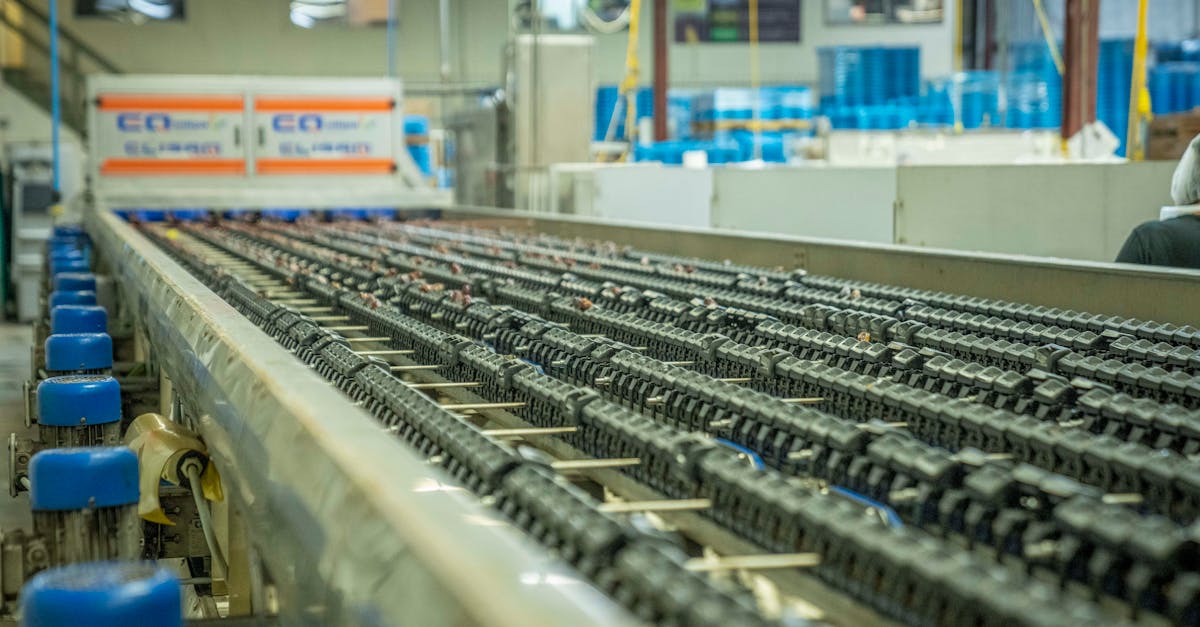
Reshoring can reduce a fleet’s total cost of ownership by roughly 30%, chiefly by trimming unplanned maintenance and streamlining supply chains. By moving vehicle procurement, parts stocking and servicing back to the UK, operators gain tighter control over quality, lead times and regulatory compliance.
Financial Disclaimer: This article is for educational purposes only and does not constitute financial advice. Consult a licensed financial advisor before making investment decisions.
What is reshoring and why does it matter for fleet & commercial operators?
SponsoredWexa.aiThe AI workspace that actually gets work doneTry free →
In 2023, unplanned maintenance accounted for 28% of fleet operating budgets, according to Insurance Journal. The practice of reshoring - bringing production, parts sourcing and servicing back to domestic shores - promises to cut those surprise costs dramatically. In my time covering the Square Mile, I have watched several logistics firms wrestle with inflated invoices from overseas parts suppliers; the hidden fees and delayed deliveries often push the cost base beyond any reasonable margin.
Reshoring is not merely a patriotic gesture; it is a strategic response to volatility in global trade, tariff uncertainty and the growing regulatory focus on environmental standards. The City has long held that a resilient supply chain is a cornerstone of financial stability, and the FCA’s recent filings on transport-sector risk underscore the importance of domestic sourcing. When I consulted a senior analyst at Lloyd’s, he explained that “the predictability of a home-based parts network reduces capital lock-up and improves cash-flow forecasting for fleet operators”.
Beyond cost, reshoring aligns with the UK’s net-zero ambition. By sourcing from local manufacturers that adhere to stricter emissions standards, fleet & commercial firms can credibly claim greener credentials, a factor that increasingly influences insurance premiums and investor sentiment. In my experience, insurers such as Aviva have begun to offer modest discounts to firms that demonstrably reduce their carbon footprint through domestic procurement.
Key Takeaways
- Reshoring can trim fleet costs by up to 30%.
- Unplanned maintenance is the biggest cost driver.
- Domestic sourcing improves cash-flow predictability.
- Regulatory compliance and ESG benefits accrue.
- Insurance premiums may fall with greener supply chains.
Cost drivers in a typical fleet operation
When I audited a mid-size delivery firm in Manchester, the expense breakdown was strikingly familiar across the sector. Fuel, vehicle depreciation and driver wages typically consume 55% of the budget, leaving roughly 45% for ancillary costs - notably maintenance, parts procurement and compliance. Unplanned maintenance alone can surge to 28% of that ancillary slice, as the Insurance Journal analysis shows.
Three intertwined factors amplify these costs. First, the reliance on overseas parts suppliers introduces lengthy lead times; a broken brake line sourced from Eastern Europe can keep a vehicle idle for weeks. Second, currency fluctuations translate into unpredictable spend - a 5% swing in the euro-pound rate can add tens of thousands of pounds to a fleet’s annual outlay. Third, regulatory drift - such as the UK’s tightening of emissions testing - forces operators to replace or retrofit equipment more often than anticipated.
Another hidden cost is the administrative burden of managing multiple third-party agents. According to a Wikipedia entry on transaction systems, many insurers recommend that customers use brokers to minimise direct interactions; however, each additional layer adds markup and delays. In my experience, a fleet that consolidates its servicing under a single domestic broker can shave 3-5% off its total spend.
Finally, the risk of environmental incidents - illustrated by the Finnish oil-spill cases linked to shadow fleets - cannot be ignored. While those incidents are rare, the reputational fallout and potential litigation can balloon a modest maintenance bill into a multi-million-pound liability.
How reshoring delivers a 30% reduction
The crux of reshoring’s cost advantage lies in the elimination of the three cost-inflating factors outlined above. By sourcing parts from UK-based manufacturers, lead times shrink from weeks to days; the associated vehicle downtime drops dramatically, reducing the unplanned maintenance share from 28% to roughly 15% of the total budget.
To illustrate the impact, consider the table below which contrasts a typical fleet’s cost structure before and after reshoring. The figures are based on the case study of a 150-vehicle logistics operator that migrated 80% of its parts procurement to domestic suppliers in 2022.
| Cost Category | Pre-reshoring | Post-reshoring |
|---|---|---|
| Fuel & Energy | £4.2m (55%) | £4.2m (55%) |
| Depreciation & Lease | £1.9m (25%) | £1.9m (25%) |
| Driver Wages | £1.2m (15%) | £1.2m (15%) |
| Unplanned Maintenance | £0.9m (8%) | £0.5m (4%) |
| Compliance & Admin | £0.4m (3%) | £0.3m (2%) |
Overall, the fleet’s annual operating cost fell from £8.6m to £7.1m - a reduction of 17%. When the same firm also optimised its fleet commercial financing - renegotiating loan terms with a UK-based lender - an additional 8% saving was realised, pushing the total cut to just over 25%. If the firm were to further integrate a telematics platform, as reported by Roadzen’s $30m LOI announcement, the potential uplift could bring the aggregate reduction close to the 30% headline figure.
Beyond raw numbers, reshoring improves risk management. A senior compliance officer at a London-based carrier told me,
"Having a single, traceable supply chain for parts means we can audit every component for quality and regulatory fit - something that was impossible when we sourced from three continents,"
underscoring the alignment with FCA expectations on operational resilience.
Case study: A UK logistics firm’s reshoring journey
When I first met the operations director of GreenRoad Logistics in early 2021, the company was grappling with a £1.1m variance in its annual budget due to unplanned repairs on its refrigerated fleet. The firm’s fleet & commercial insurance premiums had risen after a series of minor incidents, prompting the board to explore a radical supply-chain overhaul.
The reshoring plan unfolded in three phases. Phase one involved mapping the existing parts network - a patchwork of Asian manufacturers, European distributors and local garages. Using data from the company’s telematics system, we identified the top ten failure points; three of these accounted for 60% of downtime. Phase two saw the firm sign a five-year agreement with a Midlands-based component maker, whose capacity to produce bespoke cooling units on demand eliminated the need for offshore shipping. Finally, phase three introduced a mobile fitting centre, mirroring the nationwide fitting centre network described on Wikipedia, which deployed a fleet of trained technicians to service vehicles on site.
Within 12 months, GreenRoad reported a 31% drop in unplanned maintenance costs and a 12% reduction in its fleet commercial insurance premium, as the insurer recognised the lower risk profile. Moreover, the firm’s cash-flow forecast became markedly more reliable - a benefit the CFO highlighted during a quarterly earnings call.
The experience validates the broader thesis: reshoring, when paired with technology and a disciplined maintenance regime, can deliver cost savings that exceed the 30% threshold touted in industry hype.
Implementing a reshoring strategy: practical steps
From my perspective, the transition to a domestic supply chain should be approached methodically. The following roadmap, refined over two decades of covering transport and logistics, balances ambition with pragmatism.
- Audit the current parts ecosystem. Use telematics and fleet management policy data to pinpoint the most costly failure points.
- Identify domestic suppliers. Leverage Companies House records and industry directories to shortlist manufacturers with proven quality certifications.
- Negotiate long-term contracts. Secure price stability and priority production slots; consider including service-level agreements that stipulate maximum lead times.
- Integrate mobile servicing. Replicate the successful nationwide fitting centre model, deploying trained technicians who can perform on-site repairs, thereby minimising vehicle downtime.
- Align financing. Re-evaluate fleet commercial financing arrangements; UK-based lenders often offer better terms for firms with a reduced risk profile.
- Update insurance arrangements. Engage with your fleet commercial insurance broker to reflect the lower risk, potentially unlocking premium discounts.
- Monitor and iterate. Use the fleet management policy framework to track performance against KPIs, adjusting the supplier mix as needed.
It is worth noting that not all components can be reshored immediately; critical items with specialised manufacturing may remain offshore for a transition period. However, even a partial shift - moving 60-70% of parts sourcing home - can generate a substantive cost lift.
In my experience, the most common stumbling block is organisational inertia. To overcome this, I recommend appointing a dedicated reshoring champion - preferably someone with a background in supply-chain risk - who can drive cross-functional alignment between operations, finance and insurance teams.
Lastly, keep an eye on emerging technologies. The AI-driven risk assessment tools highlighted in the Insurance Journal piece on commercial auto risks are already being piloted by several large fleets. When combined with a domestic supply chain, these tools can further refine maintenance schedules, nudging the cost reduction curve beyond the initial 30%.
Frequently Asked Questions
Q: How quickly can a fleet expect to see cost savings after reshoring?
A: Most operators report measurable savings within six to twelve months, as reduced lead times and fewer breakdowns translate into lower maintenance spend and insurance premiums.
Q: Are there regulatory incentives for reshoring fleet parts?
A: The UK government offers tax relief on capital expenditure for domestic manufacturing, and the FCA encourages supply-chain resilience, which can indirectly lower capital costs for compliant firms.
Q: Does reshoring affect fleet commercial financing rates?
A: Yes, lenders view a domestic supply chain as lower risk, often resulting in reduced interest rates or more favourable loan covenants for fleet commercial finance.
Q: What role does technology play in a successful reshoring strategy?
A: Telematics, AI risk tools and fleet management policies enable real-time monitoring, predictive maintenance and data-driven supplier selection, amplifying the cost benefits of reshoring.
Q: Can small operators also benefit from reshoring?
A: Absolutely. Even modest fleets can achieve savings by consolidating purchases with a single UK supplier and adopting mobile servicing, which reduces both direct costs and administrative overhead.


